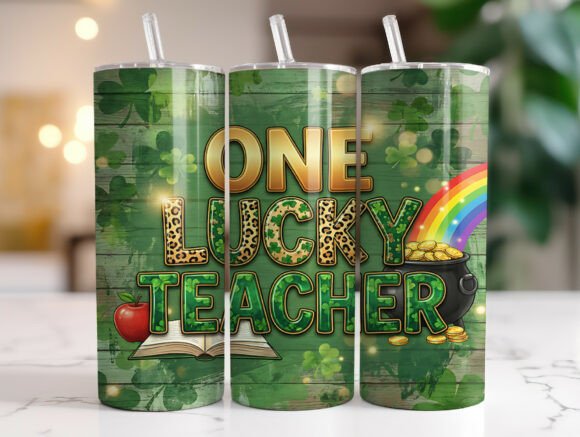
One Lucky Teacher: A Designer's Review for Real Embroidery Projects
When I first see a new embroidery design, I’m not just looking at a graphic. I’m imagining it stitched onto fabric. I’m thinking about the thread, the texture of the finished product, and the smile on the customer’s face. So when I evaluate ‘One Lucky Teacher’ – a design clearly meant for St. Patrick’s Day celebrations – my mind immediately jumps to a real scenario. Let’s say a client has asked for a custom embroidered tote bag as a heartfelt gift for a beloved teacher. This is the kind of project where a design’s true character is revealed.
The Warm, Welcoming First Impression
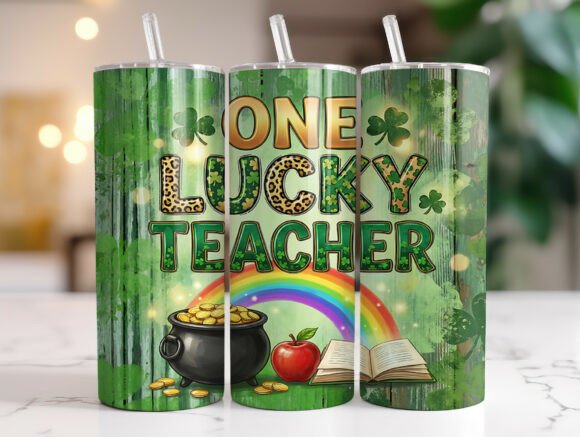
The ‘One Lucky Teacher’ design creates an instant mood of cheerful appreciation. The central theme is clear and festive, built around classic St. Patrick’s Day elements. The layout is balanced, with a weight that feels substantial without being overly dense. It has a friendly, almost hand-drawn visual personality that translates wonderfully into the tactile world of embroidery. This isn’t a cold, technical graphic; it’s a design that naturally belongs on a handmade product meant to convey gratitude.
Where This Design Thrives in Real Life
This design’s scale and detail level make it incredibly versatile for a craft business. I envision it working beautifully on a heavy cotton tote bag, the stitches providing a lovely raised texture. It would be a standout on the left chest of a cozy sweatshirt or hoodie, a perfect holiday teacher gift. For baby clothes or nursery decor items, like a personalized blanket, the cheerful theme would be a hit, though size adjustment would be key. As an embroidered patch, it could be applied to aprons, caps, or even pillow covers for a boutique home goods line.
For small business owners and Etsy sellers, this design is a strong candidate for holiday-specific merchandise. It could be the centerpiece of a St. Patrick’s Day product collection – think embroidered tea towels, kitchen accessories, or themed apparel. The ‘One Lucky Teacher’ message makes it inherently giftable, boosting its appeal in craft fair booths or online shop listings. In printable mockups for digital product previews, the high-resolution detail ensures it looks professional and enticing, building customer trust in your brand’s quality.
Visual Appeal and Professional Polish
From a professional embroidery perspective, a design like this affects several crucial factors. Its clarity is paramount. When stitched, the distinct elements should remain legible and engaging, enhancing the perceived value of the finished product. For a creative entrepreneur, using a design with such a specific, positive message increases brand consistency if you specialize in celebratory or personalized gifts. It feels professional because it’s focused and complete, not generic. This directly influences buyer engagement; a customer looking for a teacher gift will immediately recognize its purpose and emotional resonance.
Careful Considerations for Stitching Success
While versatile, ‘One Lucky Teacher’ requires thoughtful application. Due to its overall size, using it in very small hoop sizes on, say, a cap’s curved surface might compress the details too much. The same goes for textured or stretchy fabrics like certain knits; a robust stabilizer strategy would be essential to maintain the design’s integrity.
On dark fabric backgrounds, thread color contrast needs extra attention to keep the festive green palette vibrant. Any tiny lettering or intricate decorative accents within the design should be inspected in a test stitch to ensure stitching clarity. For products destined for frequent washing, like adult apparel or kitchen towels, reviewing the stitch density is wise to guarantee durability. This isn’t a design I would layer over complex garment seams or pockets; it deserves a clean, central canvas.
Practical Notes from the Embroidery Machine
Before any commercial embroidery project or even a personal gift, my standard protocol applies. Always test the embroidery file on scrap fabric first. This reveals how the satin stitches and fill stitches actually interact with your material. Check your thread color choices against both light and dark fabric backgrounds. Confirm your hoop size can accommodate the design comfortably. Inspect the small details by running a test—this is how you catch any potential issues with dense stitch areas.
I also recommend testing the design in simple black and white mockups to assess its form stripped of color. Use the proper stabilizer for your chosen fabric; this is non-negotiable for professional results. Crucially, since this is a digital embroidery file, you must confirm the licensing terms before selling finished items or incorporating it into commercial embroidery projects for your small shop. The provided information notes it is a digital file, so verifying its use for commercial purposes is a necessary business step.
The Final Stitch: A Design Built for Good Feelings
‘One Lucky Teacher’ strikes me as a design asset with a clear mission. It’s not just a graphic; it’s a blueprint for a product that makes people feel appreciated. For embroidery designers and makers, its value lies in its direct emotional appeal and its adaptable scale. It encourages you to think about the entire project: the fabric, the recipient, and the occasion. When you stitch it onto a tote bag, a sweatshirt, or a baby item, you’re not just completing an embroidery project. You’re creating a tangible piece of gratitude, which is ultimately what makes a handmade product truly special.