A Designer's Real-World Take on the Lucky Teacher St Patrick Wrap
First Impressions: Friendly Charm for Practical Projects
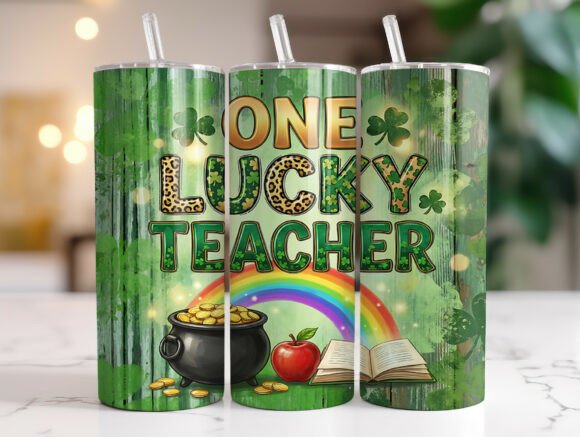
When I first opened the Lucky Teacher St Patrick Tumbler Wrap design file, my immediate thought was, "This has personality." It's not just another generic holiday graphic. The layout feels celebratory and warm, perfect for creating a handmade product that feels like a genuine token of appreciation. The mix of classic St. Patrick's Day icons with the "Lucky Teacher" text creates a clear, lighthearted theme. The detail level appears well-balanced—not overly simplistic, but also not so dense that it would become a stitching nightmare on common fabrics like cotton or fleece. This design has a visual personality that leans toward giftable and recognizable, which is exactly what you want for projects aimed at end-users, not just decorative items.
Where This Design Shines in Real Embroidery Work
I envision this design performing beautifully on a range of custom apparel and gifts. Picture a soft, heather gray sweatshirt for a beloved educator, with this design embroidered neatly on the left chest. It would look clean and professional. A tote bag for a teacher's classroom supplies would be another perfect candidate, turning a functional item into a personalized gift. For small business merchandise, this could be a standout item for Etsy sellers or craft fair vendors during the March season—think embroidered patches, aprons, or even decorative pillow covers for a teacher's home. The theme is specific enough to be meaningful but broad enough that any teacher (or teacher's friend) would appreciate it.
The fact that it comes as both a straight and tapered PNG file is a practical advantage for digital product sellers and creative entrepreneurs. It allows for flexibility in creating printable mockups or digital previews for your customers, showing how the final embroidered product might look on different items. This is crucial for building customer trust and engagement before they even purchase the finished item from your shop.
A Practical Scenario: Crafting a Boutique Teacher Gift
Let's walk through a real-life application. I'm preparing a custom embroidered tote bag as a boutique holiday gift. I've chosen a sturdy canvas fabric. My goal is to create a product that looks expertly made, feels durable, and clearly conveys its sentimental message. The Lucky Teacher St Patrick Tumbler Wrap design, at its provided size, would be a prominent yet not overwhelming focal point. I'd likely use a satin stitch for the bold lettering and a fill stitch for the larger shapes like the hat, ensuring good stitch coverage for visual clarity. The design's layout suggests it would stitch out with clear definition, making the final product look valuable and thoughtfully designed, which enhances handmade presentation and brand consistency for a small shop.
Considerations for Stitching Success
While the design is appealing, its application requires some practical forethought. The size, at 9.3" x 8.2", means you need a sufficiently large hoop. This isn't a design for small baby clothes or delicate caps with curved surfaces unless you significantly resize it, which can affect stitch density and detail integrity. On textured fabrics like some towels or blankets, the smaller decorative accents might lose clarity. If you're planning to stitch it on dark fabric, thread color contrast becomes critical—those lighter elements in the design need to pop.
For products destined for frequent washing, like a kitchen towel or a wearable apron, you'd want to test the stitch density on scrap fabric first. Areas with potential dense stitching could be less flexible and more prone to wear over time. Always use the proper stabilizer for your chosen fabric, especially if it's stretchy or thin, to maintain the design's crisp shape after stitching.
Boosting Your Project's Professional Appeal
Using a well-composed design like this directly affects your project's visual appeal and perceived value. For an embroidery designer or apparel decorator, a design that stitches out cleanly with clear lettering and distinct elements leads to higher customer trust. It looks professional. When a customer sees a finished sweatshirt or bag with this embroidery, they immediately understand the theme and quality. That recognition boosts giftability and buyer engagement. For a craft business, it's an asset that can be reliably used across multiple product types—from tea towels to pillow covers—creating a cohesive line of holiday embroidery products for your Etsy listings or small shop merchandise.
Essential Designer Notes Before You Hoop
Before running this machine embroidery design on a final project, here are my recommended steps. Always test it on a scrap piece of your intended fabric first. This lets you review stitch density, check for any potential issues with tiny details, and confirm your chosen hoop size works comfortably. Examine the design in a black and white mockup to truly understand its composition without color influencing you. Compare how it looks conceptually on both light and dark fabric backgrounds to plan your thread palette. Crucially, since this is a digital embroidery file provided as a PNG, you must confirm the licensing terms before using it for commercial embroidery projects or selling finished products. The description indicates it's a printable graphic, but for commercial use, ensuring you have the correct license is a fundamental step for any professional or small business owner.
The Final Verdict for Makers and Entrepreneurs
The Lucky Teacher St Patrick Tumbler Wrap design is a strong candidate for specific, heartwarming projects. It creates a mood of appreciation and celebration, fitting seamlessly into the world of personalized gifts and handmade products. Its best home is on medium to larger items where its friendly personality can shine without technical compromise. For embroidery designers, crafters, and creative entrepreneurs looking to add a touch of recognized, seasonal charm to their work, this design offers a practical and visually appealing foundation. Just remember to apply your professional diligence—test, adapt, and verify licensing—to ensure every stitched project meets the high standard your customers expect.