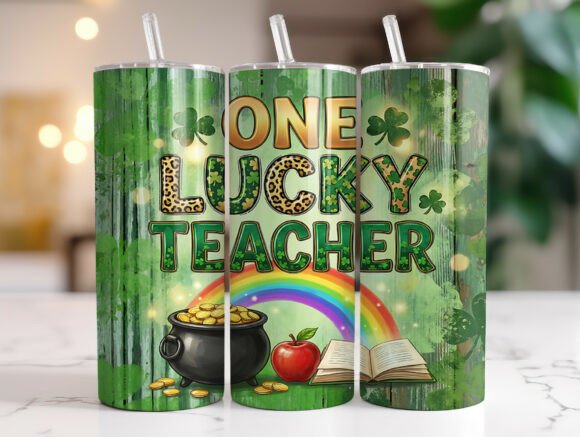
Lucky Teacher Embroidery: A Design Review for Real Projects
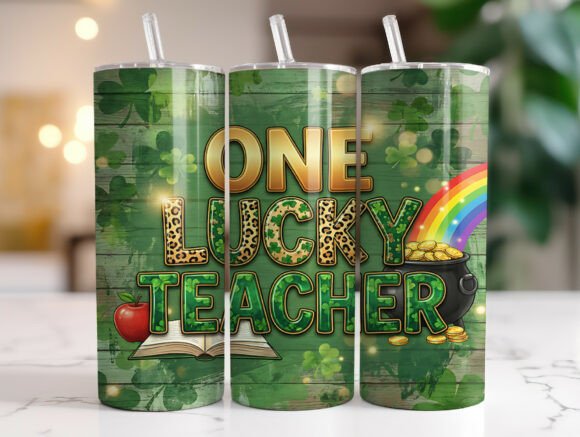
When a new embroidery design lands in my library, my first question isn't about the technical specs. It's about the story it tells and the project it yearns to become. Looking at the Lucky Teacher St Patricks Day Tumbler design, I'm immediately thinking of a custom sweatshirt for a favorite educator, or perhaps the central motif on a canvas tote bag for a craft fair. The mood here is playful, appreciative, and seasonally crisp—a perfect blend of teacher appreciation and St. Patrick's Day cheer without being overly generic.
The Immediate Appeal and Project Potential
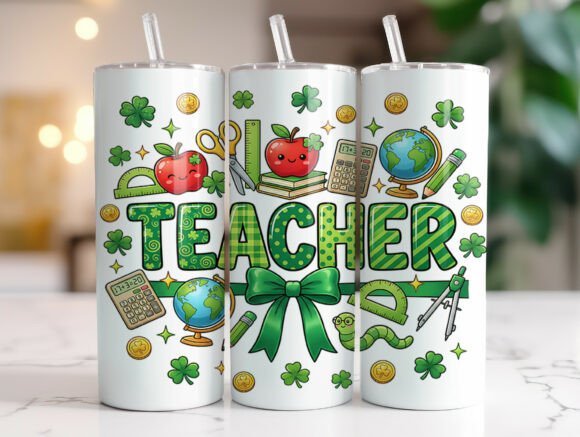
The layout feels balanced, with the central "Lucky Teacher" text acting as a clear, welcoming anchor. The surrounding shamrocks and decorative accents aren't overly dense, which is a significant plus for embroidery. This suggests it will translate well into stitches without becoming a heavy, stiff patch of thread, especially on softer fabrics like sweatshirts or baby blankets. The design’s personality is friendly and slightly whimsical, making it ideal for personalized gifts or small shop merchandise aimed at parents, students, or anyone wanting to honor a special educator in March.
In a real-life scenario, I picture this design stitched onto a high-quality cotton apron. Imagine a teacher receiving this as a holiday gift—the embroidered message isn't just a phrase; it's a durable, tactile token of thanks. For an Etsy seller or craft business, this design could be the star of a limited-edition spring collection: embroidered pillow covers, kitchen towels, or even a simple patch applied to a denim jacket. The theme is specific enough to feel thoughtful but broad enough to resonate with a wide audience.
Where This Design Excels in Embroidery Applications
The provided dimensions are generous. This gives you flexibility. You could scale it down for a smaller hoop project like a baby item or a cap’s curved surface, or use it at full size for a statement piece on a tote bag or the back of a hoodie. Because the detail level appears moderate—with defined shapes rather than microscopic intricacies—it should maintain stitching clarity across various applications. I’d lean towards using it on mid-weight fabrics: cotton, linen, canvas, or sturdy polyester blends. These fabrics will support the design without the distortion you might see on thin or overly stretchy materials.
For commercial embroidery projects, like producing a batch of teacher appreciation gifts for a school, this design offers good recognition and a professional, finished look. The clean lines imply that digitization (if this is to be used as a machine embroidery design) should result in smooth satin stitches for the text and efficient fill stitches for the shamrocks, preserving the design's visual appeal. This directly impacts product value and customer trust—a well-executed embroidered piece looks deliberate and skillful, enhancing your brand consistency as a maker.
Practical Considerations and Careful Usage
While the design is versatile, some applications require a thoughtful approach. The small lettering in "Lucky Teacher," depending on the final stitch conversion and scaling, could become challenging on very small hoop sizes. If you're planning a tiny patch or a detail on a child's garment, test it first. Similarly, dark fabric backgrounds demand careful thread color selection to maintain contrast and vibrancy—the greens and golds inherent to this theme need to pop.
Any project with detailed corners or dense stitch areas, like the shamrock clusters, benefits immensely from proper stabilizer. This is non-negotiable for preserving the design’s shape on stretchy fabrics like t-shirts or on items that will undergo frequent washing, like aprons or tea towels. The design's integrity after multiple washes is a mark of quality for handmade products.
I would also advise caution with highly textured fabrics, like some blanket materials. The intricate parts of the design might lose definition against a nubby surface. Always, always test the design on scrap fabric first. Run a stitch-out, or even create a simple black-and-white mockup to see how the elements hold their form. Check the thread color contrast against your final project background. This step saves time, materials, and ensures your finished product meets your standards.
Notes for the Embroidery Designer and Maker
Your workflow is crucial. Since this is a digital file, confirm its compatibility with your equipment and software before committing to a client project. The resolution details suggest it's suitable for high-quality output, but as a professional, you know to verify the specifics of any digital embroidery file or graphic you intend to stitch.
- Use this design to create printable mockups for your online listings. Seeing it on a product helps customers visualize the final embroidered patch or apparel.
- Consider its use for both personal and commercial projects. However, always confirm licensing before selling finished items. The product description indicates it's a digital asset, but the exact terms are for you to review.
- Think about pairing this design with complementary products. A St. Patrick's Day themed tote bag design featuring this embroidery could be bundled with a matching card for a premium holiday gift set in your boutique.
The Lucky Teacher St Patricks Day Tumbler design, from a practical standpoint, is a strong candidate for seasonal projects that require a blend of sentiment and style. It doesn't feel like a fleeting trend; it feels like a reusable, reliable design asset for March. When stitched with care on an appropriate fabric, it elevates a simple item into a meaningful gift or desirable small shop product. Its visual personality is warm and specific, which is exactly what makes an embroidery project feel special and, ultimately, successful.