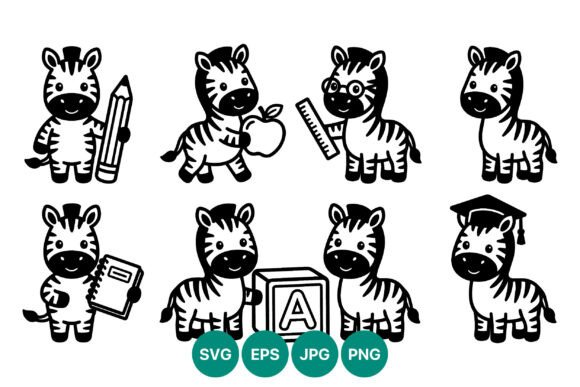
Learning Hippo Embroidery Review: Stitching a School Animal
When I first opened the Learning Hippo. School Animal Studying. file, I smiled. That is always a good sign. A design that makes you react before you even think about thread colors or hoop sizes already has something going for it. The character is a round, soft-eyed hippo sitting with a book, pencil nearby, looking genuinely curious. It is not overly detailed, not stiff, and not trying too hard to be cute. The charm feels natural, which matters a lot when you are translating a flat graphic into a stitched finished product someone will touch, wear, or gift.
As someone who has tested hundreds of design assets across real embroidery projects, I look at a piece like this and immediately start asking practical questions. Will it digitize cleanly? Will the expression hold up when reduced to a patch size? How will it feel on a sweatshirt versus a kitchen towel? This is not a ready-to-stitch machine embroidery design file. The product comes as EPS, JPG, SVG, and transparent PNG. That means it is a graphic illustration, and you will need to digitize it yourself or work with a digitizer. For many crafters and small shop owners, that is actually a plus. It gives you full control over the final stitch type, size, and density.
What the Learning Hippo Feels Like Before You Even Stitch It
The mood of this Learning Hippo. School Animal Studying. illustration is gentle, encouraging, and just playful enough. It sits in that sweet spot between babyish and sophisticated. The hippo is clearly a school-themed character, but it does not scream classroom. It whispers learning, curiosity, and warmth. That makes it versatile. I can see this on a nursery pillow cover, sure, but I can also picture it on a canvas tote bag for a teacher appreciation gift, or on a small embroidered patch for a child's backpack. The isolated white background in the source files is a practical choice. It makes the design easy to extract and place into digitizing software or printable mockup layouts without extra cleanup work.
The shape is friendly and compact. The hippo has a rounded silhouette that will stitch efficiently. There are no awkward jagged edges or ultra-thin appendages that tend to disappear under thread tension. The eyes are simple dots, the mouth is a small curve, and the book is a basic rectangle with a few interior lines. From a digitizing perspective, this is a forgiving composition. You can use satin stitch for the outline, fill stitch for the body, and running stitch for the small details like the pencil or the page lines. The design does not demand fifty thread changes, which keeps production time reasonable for a craft business or Etsy shop.
Real Project Scenario: A Teacher Tote That Needs to Sell
Let me walk you through a real scenario I kept thinking about while reviewing this graphic. Imagine a small shop preparing for back-to-school season. The owner wants to offer a limited collection of embroidered tote bags. Each bag features a different school animal. The Learning Hippo. School Animal Studying. design becomes the star of one tote. The bag is natural canvas, medium weight, with a smooth but not slippery texture. The embroidery will sit in the center, roughly five inches wide. The digitizer converts the SVG into a clean stitch file, keeping the satin borders under two millimeters and the fill density light enough to avoid puckering on the canvas.
After stitching a test sample, the hippo reads beautifully. The eyes register clearly. The book detail comes through without turning into a blob. The grey thread body contrasts nicely against the natural canvas, and a soft blue pencil adds just enough color. When the shop owner posts the tote on Etsy, the listing photos show a handmade product that looks intentional and polished. A teacher browsing for a first-day-of-school gift sees the hippo, connects with the gentle expression, and buys it. That is the chain reaction a well-chosen design can create. The graphic alone does not guarantee that result. But the bones are strong, and the character has the kind of broad appeal that translates into sales.
Where the Design Shines in Embroidery Applications
After studying the illustration closely and thinking through real stitching behavior, I see several strong use cases for Learning Hippo. School Animal Studying. The design suits custom apparel like sweatshirts, t-shirts, and hoodies, especially on light to medium fabric colors. The character's rounded body and minimal interior detail mean it can be sized down to around three inches for a cap or hat without losing readability. That is a big advantage. Many cute animal designs fall apart below four inches because the facial features become unstitchable. This hippo avoids that trap.
It also works well for baby embroidery projects. A small hippo on a onesie, bib, or baby blanket has immediate gift appeal. Parents and grandparents love animal characters that feel calm rather than chaotic. The learning theme adds a layer of meaning without being pushy. For holiday embroidery, I can imagine this design adapted into a Christmas ornament or a back-to-school gift set. The simplicity of the shape means it can also be converted into an applique design with fabric pieces for the body and book, reducing stitch count and creating a tactile, dimensional finish.
Beyond apparel, the graphic works nicely for embroidered patch production. The compact shape and clear border make it easy to create a patch with a merrowed edge. Patches sell well on Etsy, at craft fairs, and through small boutique shops. A tote bag design featuring this hippo as a centerpiece patch would have strong shelf appeal. The same goes for pillow covers, tea towels, and aprons. The design is not gender-specific, not age-locked, and not tied to a single trend. That gives it longevity in a small shop product lineup.
When to Be Cautious With the Learning Hippo Design
No design is perfect for every project, and honest evaluation matters. With Learning Hippo. School Animal Studying., I would be cautious on heavily textured fabrics like thick terry cloth or loosely woven linen. The small pencil detail and the book lines could lose definition if the fabric surface is too uneven. On dark fabrics, the grey hippo body might need a lighter thread color or an outline adjustment to pop properly. Always test on your specific fabric before committing to a production run.
Small hoop sizes are another consideration. While the design can scale down, the pencil and the book interior lines need enough space to breathe. If you are working with a four-inch hoop, do not try to cram the hippo into a two-inch space. The stitch density will become too high, and the details will merge into a dense block. The same caution applies to curved surfaces like caps. The hippo's rounded shape helps, but the book's straight lines can distort if the digitizing is not adjusted for the cap's arc. Check the digitized file on a curved mockup before stitching.
Stretchy fabrics like thin jersey or performance wear require extra care. The hippo's body is a large fill area, and without proper stabilizer, the fabric can shift during stitching, causing gaps or misalignment. A cutaway stabilizer is my go-to for knit fabrics. For thin fabrics like lightweight cotton, a tear-away stabilizer with a temporary adhesive spray keeps everything in place without adding bulk. These are standard precautions, but they are worth repeating because a rushed setup can ruin a good design.
How the Design Affects Customer Perception and Product Value
When a customer sees an embroidered item featuring Learning Hippo. School Animal Studying., they are not analyzing stitch types or thread tension. They are feeling something. That emotional response is what drives buyer engagement and repeat purchases. A design that looks generic or poorly stitched erodes customer trust fast. A design that looks intentional and warm builds it. This hippo, when digitized and stitched well, lands in the second category. It has a recognizable personality. The book and pencil clearly communicate the school theme without needing text. That visual clarity strengthens brand consistency for a shop that sells educational-themed products.
The giftability factor is high. Handmade gifts with cute animal characters always perform well, and the learning angle adds a thoughtful layer. A personalized tote or pillow cover with this hippo and a child's name becomes a keepsake. For commercial embroidery projects, the design's simplicity means it can be reproduced consistently across multiple items without quality drift. That reliability is essential for Etsy sellers, boutique owners, and anyone building a craft business around embroidered goods.
Practical Designer Notes Before You Start Stitching
Here is my honest advice for anyone planning to use Learning Hippo. School Animal Studying. in a real embroidery project. First, test the design on scrap fabric that matches your final product. Do not skip this step. Check how the thread colors read against the fabric background. The grey hippo body can look washed out on some beige tones, so you might want to adjust the thread shade slightly. Test the design in a black and white mockup to see if the contrast holds up without color. If the hippo still reads clearly in grayscale, you have a strong composition.
Review the stitch density after digitizing. A fill that is too dense on a small scale will make the fabric stiff and uncomfortable to wear. A fill that is too light will let the fabric show through. The sweet spot depends on your fabric weight and thread type. I tend to aim for a density that allows the fabric to drape naturally while still giving full coverage. For the hippo's small details like the pencil and book lines, use a running stitch rather than a satin stitch. Running stitches are cleaner on tiny details and less likely to pull or break.
Check your hoop size against the planned design dimensions. If you are stitching on a cap, confirm the design fits the cap frame's stitchable area. For patches, add a slight border around the design to give the merrowing machine a clear edge to follow. For personalized gifts, leave room for a name or date without crowding the hippo. The design should feel like the main event, not an afterthought squeezed next to large text.
One important note about the source files. The product includes EPS, JPG, SVG, and transparent PNG formats. These are graphic files, not embroidery file formats like PES, DST, or EXP. You will need to digitize the artwork or hire a digitizer. The quality of the final stitch depends heavily on the digitizing skill applied. A good digitizer will preserve the hippo's gentle expression, maintain proper pull compensation, and sequence the stitches logically. A rushed digitizing job will make the hippo look stiff or distorted. Invest in quality digitizing if you plan to sell the finished product commercially.
Finally, confirm the licensing terms before using this design for commercial embroidery or selling digital embroidery file derivatives. The product page does not specify the license scope in detail, so reach out to the seller or check the included documentation. You do not want to build a product line around a design only to find out later that commercial use is restricted. Most graphic marketplaces have clear licensing tiers, and it is your responsibility to know which tier you are operating under.
Where the Learning Hippo Fits Best in a Maker's Product Line
If I were adding this design to my own shop rotation, I would position it in three categories. First, back-to-school gifts for teachers, students, and parents. Think embroidered pencil pouches, book bags, and lunch totes. Second, nursery decor with an educational twist. A framed embroidery hoop art piece or a soft pillow cover for a reading nook. Third, everyday accessories like patches, keychain charms, and small zipper pouches that appeal to stationery lovers and book enthusiasts. The hippo's bookish personality naturally attracts buyers who value learning and creativity.
The Learning Hippo. School Animal Studying. graphic is not the flashiest illustration I have ever reviewed. It does not need to be. What it offers is a reliable, emotionally warm foundation that can be adapted across many embroidery projects and product types. For a digital product seller creating mockups, the transparent PNG and SVG files are easy to layer into product previews. For a handmade shop owner stitching physical goods, the design provides a clear, stitchable character that customers will connect with quickly. That practical value, the combination of visual appeal and real-world usability, is what makes this design worth a serious look.
Would I recommend it to a fellow embroidery designer? Yes, with the standard caveats about digitizing and testing. The design is strong enough to justify the effort. It will not solve every stitching challenge, but it will not create unnecessary ones either. In a world of overly complex illustrations that look great on screen but fail under thread, a clean, purposeful design like this hippo is a quiet asset. It does its job, it makes people feel something, and it gives makers a dependable starting point for beautiful handmade products.