Design Insights: The 100 Days Later School Celebration Embroidery Design
As a designer who evaluates embroidery files for real-world application, I approach each new design with a practical eye. My goal is to see how it translates from a digital graphic into a tangible, stitched product that delights a customer or fits seamlessly into a small business inventory. Today, I’m considering the 100 Days Later 100 Days of School Shirt design, examining its potential from the perspective of someone preparing to stitch it onto a real item—perhaps a custom sweatshirt for a boutique or a personalized tote bag for a craft fair.
The Immediate Character of This Design
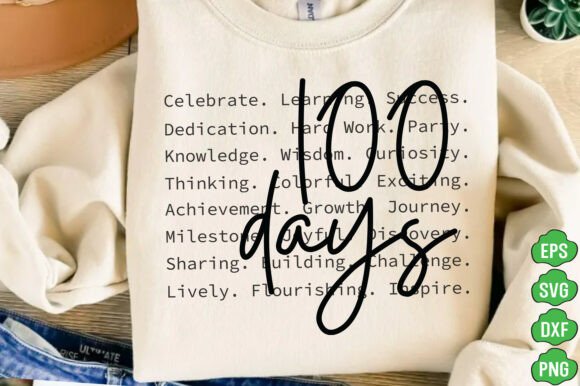
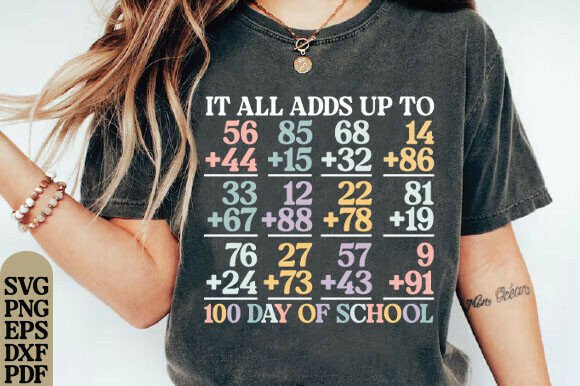
The first impression of this 100 Days Later design is one of playful celebration. The phrase itself carries a specific, joyful milestone—that moment after the initial “100th Day” excitement, marking a continued journey. The layout suggests a design centered around this text, likely with illustrative elements that support the school theme. The mood is commemorative and lighthearted, perfect for creating a keepsake. For an embroidery designer, this visual personality immediately points towards projects for children, educators, or nostalgic gifts. It feels like a design that belongs on custom apparel, tote bags, or perhaps even a commemorative embroidered patch for a child’s backpack.
Where This Design Thrives in Real Projects
Let’s imagine a real scenario: you’re an Etsy seller preparing a limited-run of embroidered sweatshirts for the school season. You want designs that are recognizable, giftable, and stitch cleanly. The 100 Days Later 100 Days of School Shirt design fits naturally into this niche. On a heavyweight cotton sweatshirt, the design would become a focal point, a marker of achievement. The clarity of the theme enhances the product’s value—it’s not a generic graphic; it’s a specific celebration.
This design would also perform well on sturdy, non-textured surfaces. Think of a canvas tote bag for a teacher, a cotton apron for a classroom volunteer, or a linen pillow cover for a child’s room. These applications allow the stitches to sit cleanly, and the celebratory message becomes a durable part of the item. For baby clothes, like a cotton jersey, it could work as a smaller, simpler accent—though careful hoop and stabilizer choice would be essential. In a commercial embroidery context, such as creating merchandise for a school fundraiser, this design offers high recognition and straightforward appeal.
Visual Appeal and Professional Presentation
When stitched well, a design like this boosts customer trust and perceived craftsmanship. The theme is so clear that the finished product feels intentional and professional. For a handmade shop owner, using a well-executed, thematic embroidery file strengthens brand consistency if you specialize in celebratory or educational items. Its giftability is high—it’s a personalized product with inherent meaning. The buyer engagement comes from that instant connection: a parent, grandparent, or teacher sees the stitched item and immediately understands its purpose.
Considerations for Successful Stitching
However, the practical side of embroidery demands careful planning. With any design centered on text and potentially intricate details, there are areas where the 100 Days Later design needs thoughtful application.
If the design includes smaller lettering or dense decorative accents, it might prove challenging on very small hoop sizes or on textured fabrics like certain knits. Thin or stretchy fabrics would require excellent stabilizer to prevent puckering, especially if any fill stitch areas are present. Embroidering on dark fabric demands a keen review of thread color contrast—sometimes a design intended for a light background needs color adjustments to pop on a dark garment.
Curved surfaces, like caps, are another consideration. The layout needs to be evaluated for how it would conform to a curve without losing key details. And for products destined for frequent washing, such as baby clothes or kitchen towels, stitch density and thread security become crucial to longevity.
A Designer’s Practical Checklist
Before running this machine embroidery design on a final project, I would always follow a personal set of notes. These are not specific to this file, as exact stitch counts or hoop sizes aren’t provided, but they are universal best practices.
- Always test the design on scrap fabric of the same type you plan to use. This reveals how satin stitches or fill stitches behave.
- Check thread color contrast against both light and dark background mockups, even if just digitally.
- Review the overall stitch density in the file preview; high density can be tough on lightweight fabrics.
- Inspect any small details in the graphic to ensure they will translate clearly into stitches.
- Confirm the hoop size needed by examining the design dimensions and comparing it to your machine’s capabilities.
- Use the proper stabilizer for your fabric choice—this is non-negotiable for clarity.
- Crucially, verify the licensing terms of the digital embroidery file. Ensure it allows for the commercial use you intend, whether selling finished tote bags or offering personalized gifts in your small shop.
The Final Verdict for Makers
The 100 Days Later 100 Days of School Shirt design, from a T-Shirt Designs and Graphics category, presents a strong thematic opportunity. Its strength lies in its specific celebratory mood, making it an excellent choice for targeted, meaningful products. For embroidery designers and craft business owners, it’s a design that can elevate a simple garment into a commemorative item. Success, however, hinges on applying it thoughtfully—choosing the right fabric, the right product (like a sturdy sweatshirt or bag), and executing the stitch with professional care. When you do that, this design transforms from a digital asset into a finished product that tells a story, which is, ultimately, what makes embroidery so valuable.