Coquette 100 Days of School Embroidery Design Review
First Impressions: A Whimsical Touch for a Celebratory Milestone
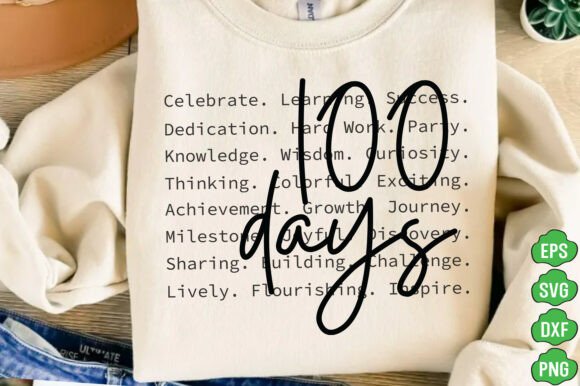
When you first open the Coquette 100 Days of School Png, Teacher file, the mood is immediately clear. It’s a design that feels sweet and celebratory, with a distinctly feminine, delicate personality. The layout is straightforward, focused on that milestone number with decorative flourishes. The detail level is thoughtfully balanced; it’s not overly fussy, which is a crucial point for machine embroidery. It doesn’t try to cram in tiny, impossible-to-stitch elements. This visual personality tells me it’s meant for projects where the sentiment is front and center—a gift, a keepsake, a piece of personalized apparel that marks a special moment.
The Real Project Test: Imagining It Stitched
My mind goes straight to a practical scenario. Let’s say a client requests a custom embroidered tote bag for their child’s teacher, celebrating that first 100 days. Or perhaps I’m stocking my small shop with a line of commemorative sweatshirts for school events. How will this embroidery file translate from screen to stitches? The clean lines and transparent background promise easy integration into my digitizing software. The lack of a watermark means I can assess the actual shapes without distraction. I’m thinking about thread colors already—a soft pink for the coquette accents, a crisp black or navy for the text. On a natural canvas tote or a heavyweight cotton sweatshirt, I envision the satin stitch borders holding up nicely, creating a polished, handmade product that feels both personal and professional.
Where This Design Finds Its Perfect Home
This isn’t a one-size-fits-all graphic. Its natural habitat is in celebratory and gifting contexts. Beyond the obvious teacher appreciation item, it shines on baby embroidery projects, like a keepsake blanket for a child’s first school year. It would be charming as a small embroidered patch on a backpack. For holiday embroidery, it could be stitched onto a kitchen towel as part of a back-to-school gift basket for a neighbor. For craft business owners, it’s a ready-made asset for creating Etsy seller listings around educational themes—think embroidered pillow covers for a teacher’s lounge or custom aprons. The digital embroidery file provides the core, but the finished product’s value is in its application to tangible, sentimental goods.
Practical Considerations & Where to Exercise Caution
While the design’s simplicity is a strength, it demands thoughtful execution. On small hoop sizes, the text must be checked carefully. Embroidering “100 Days” on a baby clothes item like a tiny sleeve requires ensuring the lettering won’t become a dense, stiff block of stitches. Stitch density in the decorative elements needs to be appropriate for the fabric texture. I would not recommend this for overly stretchy fabric without a robust stabilizer strategy, as the clean lines could distort. On dark fabric, a light underlay or a thoughtful choice of bright thread is essential for clarity.
Applying it to curved surfaces like caps presents a challenge—the relatively wide layout might need positioning adjustment to avoid awkward wrapping around the seam. The design, with its open areas, is actually quite forgiving for layered garments like hoodies, where puffiness can be an issue. However, for products destined for frequent washing, like children’s wear, you must test the stitch integrity and consider tighter fill stitches in any solid areas to prevent premature wear.
From Digital File to Customer Trust
How does using the Coquette 100 Days of School Png, Teacher affect your finished product appeal? When stitched well, it conveys a sense of care and specificity. A customer receiving a personalized gift with this design sees a recognized milestone treated with a delicate, coquette style—that enhances giftability and emotional connection. For a small shop product, it contributes to brand consistency if your niche is sweet, commemorative, or school-themed items. The clean execution of a design like this directly impacts professionalism; a messy stitch-out of the number would undermine trust, while a crisp one reinforces the quality of your craft business.
Notes for the Embroidery Designer Before the Hoop Goes On
Before I run this for any commercial embroidery project or even a personal one, my checklist is practical. First, always test the design on scrap fabric first, using the same material and stabilizer as your final project. This reveals any hidden issues with stitch density or tiny details. Check thread color contrast against your final fabric in both digital mockups and physical swatches—the coquette elements might vanish on a similarly toned background. Since it’s categorized as T-Shirt Designs and Graphics, remember that embroidery is a different beast than vinyl; review the file’s paths for clean, stitchable outlines.
- Confirm hoop size suitability for your machine and project scale.
- Inspect small details like the ends of script strokes to ensure they won’t become thread blobs.
- Test it in black and white mockups to gauge its strength without color.
- Compare light and dark fabric backgrounds in your software’s preview.
- Use a proper stabilizer matched to your fabric’s weight and stretch.
- Most critically, check whether the design works for both personal and commercial projects. The provided description doesn’t specify licensing; you must confirm licensing before selling finished items or incorporating it into your own digital product lines. This is a non-negotiable step for any creative entrepreneur.
The Final Stitch: A Design for Meaningful Making
In the end, the Coquette 100 Days of School design is more than just a graphic. It’s a tool for creating a product with a story. It fits into a niche of celebratory, educational, and affectionate embroidery projects. Its success hinges entirely on the maker’s skill and preparatory work—the choice of substrate, the thread palette, the stabilizer, and the careful machine setup. When those elements align, this design can elevate a simple tote, sweatshirt, or patch into a meaningful handmade product. It reminds us that in the world of apparel decorators and makers, the digital file is just the beginning; the real value is stitched into the fabric, and ultimately, into the recipient’s experience.