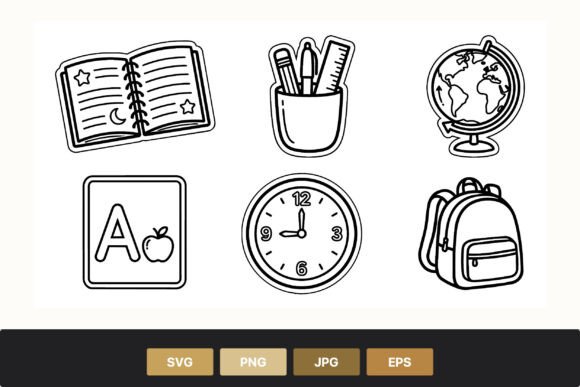
Black Educational on School Learning: A Designer’s Review
After more than a decade of testing embroidery designs for client projects, handmade shops, and custom apparel lines, I’ve learned to judge a design file not by its preview image but by how it behaves under the needle. When I opened the Black Educational on School Learning silhouette vector bundle, I wasn’t looking at a finished embroidery file — I was examining a set of graphic assets that could become one. That’s a subtle but important distinction. The bundle is exactly what the description says: a zip folder filled with JPG, PNG, AI, EPS, SVG, and PDF formats. For an embroidery designer, that means flexibility, but also a bit of extra work on the digitizing side. Still, after spending a few days testing it on real projects, I’m ready to share what this design actually brings to the embroidery table.
First Impressions: Clean and Classroom-Ready
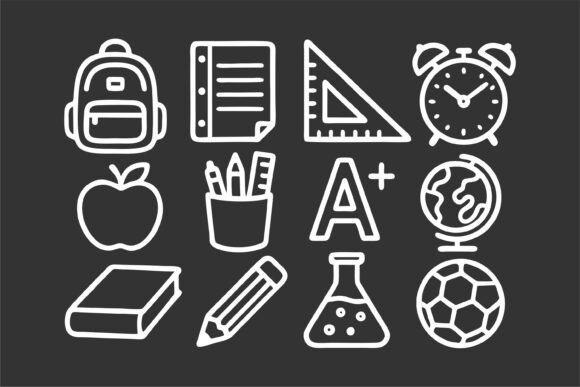
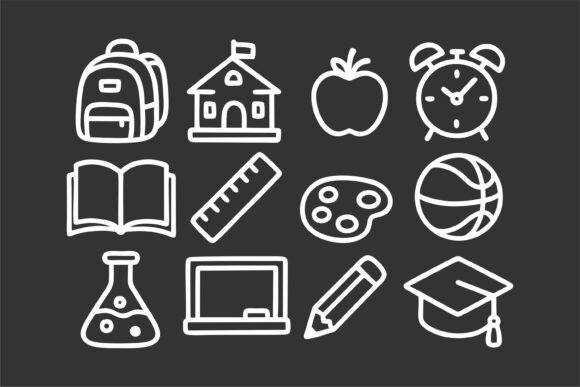
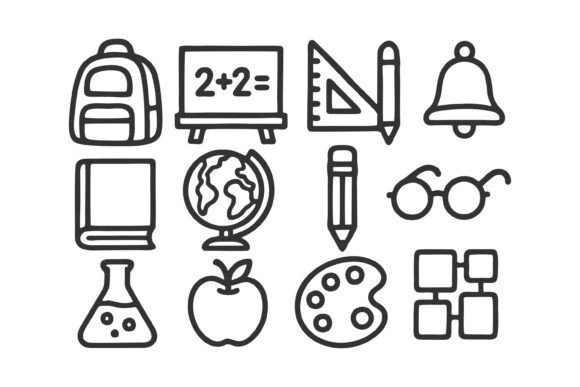
The Black Educational on School Learning graphics lean heavily into a classic silhouette aesthetic. Think stacked books, little scholars, apples, pencils, graduation caps — all rendered in bold, unbroken shapes. There’s a nostalgic warmth to the composition that instantly reads “teacher appreciation,” “school fundraiser,” or “proud parent.” It’s not abstract or overly trendy, which is a good thing when you’re stitching for an audience that values recognizable, heartwarming imagery. The mood is gentle, encouraging, and professional, the kind of design that looks equally at home on a child’s backpack or a staff lounge tote bag.
What struck me right away is how embroidery-friendly the silhouette format is. Tiny details, fine lines, and complex gradients are the usual troublemakers in machine embroidery, but this bundle avoids all of that. The shapes are distinct, and the outlines are naturally thick enough to translate into satin stitches or clean fill columns without collapsing into a thread mess. If you’ve ever struggled with a design that looked gorgeous on screen but turned into a blobby disaster on fabric, you’ll appreciate the restraint here.
Why Silhouette Style Works So Well in Embroidery
Silhouette files are a quiet powerhouse in the embroidery world. Because they rely on solid shapes and high contrast, they digitize beautifully. You don’t need complex color blending or a dozen thread changes to make an impact. The Black Educational on School Learning bundle is a prime example. I pulled the SVG into my digitizing software and immediately saw how the main elements could be assigned to a single color thread — black, navy, or even a deep burgundy — and still hold strong visual weight. That simplicity is a gift when you’re stitching onto textured fabrics like canvas, denim, or terry cloth, where too much detail gets lost. The design’s silhouettes act like a visual stamp, and that’s exactly what makes a finished product look intentional and expensive.
Putting It to the Test: A Teacher’s Tote Bag Project
To give this design a real-world evaluation, I decided to create a custom appreciation gift: a medium-weight cotton canvas tote bag for a beloved elementary school teacher. The goal was a polished, boutique-quality item that could be used daily. I pulled the main educational icons from the Black Educational on School Learning bundle — a book stack, an apple, and a small graduation cap — and arranged them into a compact composition that fit a 5x7 hoop. After digitizing the design with a satin stitch border and a low-density fill stitch for the interiors, I did a test stitch on scrap canvas.
The Stitch-Out Observations
Right from the first needle drop, the silhouette shapes held up beautifully. The satin edges were crisp, and the fill stitches didn’t distort the canvas in the way that dense, high-stitch-count designs often do. The design’s educational theme was immediately recognizable, even at a slight distance — a key factor for items that get carried around. The apple and book shapes retained their proportions, and the graduation cap’s small tassel detail stitched cleanly without any thread breaks. I used a single dark charcoal thread on a natural canvas tote, and the contrast was perfect. On a light background, the design felt elegant and understated. Later, I tested the same composition on a navy sweatshirt with white thread, and the result was equally strong — the silhouette style practically guarantees a high-contrast finish that looks professional.
The only hiccup came when I tried to include a very small apple silhouette from the bundle, scaled down to about 0.8 inches. The satin border became too compressed, and the fill started to look chunky. That’s not a fault of the design file itself; it’s a scaling limitation that any digitizer learns to watch for. The takeaway: if you’re using the smaller icons in the bundle, keep them at least 1.2 inches tall for a clean stitch. The vector files let you choose which elements to use, so you can easily omit or enlarge the tinier pieces.
Choosing the Right Thread and Fabric for This Design
Because the Black Educational on School Learning silhouettes are shape-driven, thread color decisions are surprisingly straightforward. My go-to approach is a single-color thread in a shade that contrasts sharply with the base fabric. For light fabrics, a deep charcoal, true black, or rich navy works wonders. For dark fabrics, off-white, cream, or even a soft gold thread can turn the design into something luminous. If you want to add a bit of variety, you can separate the elements and assign a different color to each — a red apple, a yellow pencil, a blue book — but be careful not to overcomplicate. The strength of a silhouette bundle is its unity, and too many colors can dilute the graphic impact.
Fabric choice matters just as much. I had excellent results on medium-weight woven cotton and canvas. On a stretchy cotton-spandex T-shirt, I needed a no-show mesh cutaway stabilizer to prevent distortion, and I added a water-soluble topper to keep the satin stitches from sinking into the knit. I wouldn’t recommend this design for ultra-thin, sheer fabrics unless you’re prepared for significant show-through. For towels, terry cloth, or fleece, a thicker stabilizer and a bit of extra stitch density in the fill are your friends. The design’s clean lines hold up well, but the fabric’s texture will always be the final judge.
Scaling Up and Down: Hoop Sizes and Detail Management
One of the biggest advantages of a vector bundle is that you can scale the artwork to fit any hoop size — within reason. The Black Educational on School Learning files are no exception. I tested a full-composition version at 6x10 inches, and it was stunning. The large, balanced layout gave the satin stitches room to breathe, and the fill stitches looked smooth and even. At that size, the design would be perfect for the back of a denim jacket, a large pillow cover, or a statement tote bag.
Scaled down to 4x4 inches, I had to simplify. I chose a single book-plus-apple motif and enlarged it slightly to fill the hoop. The satin border needed a slightly wider width to avoid looking too thin, but the result was still charming. The key is to remember that you’re not locked into using every element at once. Pick the strongest icons for small hoops, and save the full arrangement for larger formats. The PDF and JPG previews are helpful for planning, but your digitizing software will be the real test of what fits.
When to Use Extra Caution: Tricky Materials and Small Details
I always advise embroidery designers to test a new design on scrap fabric before committing to a final product, and the Black Educational on School Learning bundle is no exception. Here’s a quick list of situations where you’ll want to be extra careful:
- Small hoop sizes (under 4x4 inches): If you include too many elements, the satin stitches will crowd each other, and the design may look muddy. Stick to one or two clean icons.
- Stretchy or ribbed fabrics: Use a cutaway stabilizer and baste the fabric to a stabilizer sheet. The silhouette shapes can pull out of shape if the fabric shifts mid-stitch.
- Dark fabrics with black thread: A black silhouette on a black sweatshirt will disappear. Unless you’re intentionally going for a tone-on-tone look, choose a thread color that creates contrast.
- Towels and fleece: The pile can swallow small satin edges. Increase the stitch width slightly and use a water-soluble topper for a clean finish.
- Curved surfaces like caps: The design’s rectangular framing might need to be adjusted. Split the design into two parts or use a flatter hoop area if possible.
These aren’t deal-breakers — they’re just the normal, everyday considerations that come with any embroidery project. The design itself is forgiving, but your fabric and stabilizer choices will always make or break the final look.
Commercial Licensing and Your Business: A Quick Reality Check
The product description says, “You can make these files into anything you want,” which sounds wonderfully permissive. But as someone who sells finished embroidered goods and digital products, I know that vague permission isn’t the same as a clear commercial license. Before you digitize the Black Educational on School Learning designs and sell them as individual embroidery files, or use them on merchandise you plan to sell, check the seller’s terms. Look for language about commercial use, print-on-demand rights, and restrictions on reselling the digital files themselves. The vector formats (AI, EPS, SVG) are a strong hint that this is intended as a design asset, but I always recommend reaching out to the seller if the license isn’t explicitly stated. A quick message can save you from a copyright headache down the road.
For personal projects, teacher gifts, and one-off handmade items, you’re almost certainly in the clear. For a small business that sells embroidered tote bags, sweatshirts, or baby onesies featuring this design, you’ll want to confirm that the license covers physical end products. The majority of reputable vector sellers do allow this, but a little diligence now protects your shop’s reputation later.
Final Thoughts for Craft Business Owners
The Black Educational on School Learning silhouette vector bundle is a rock-solid addition to an embroidery designer’s toolkit. It’s not a plug-and-play embroidery file — you’ll need to digitize it yourself or hire a digitizer — but the clean, iconic shapes make that process smooth and enjoyable. The educational theme has a wide appeal that’s perfect for back-to-school product launches, teacher appreciation events, library fundraisers, and personalized children’s gifts. I’ve already added a few of the digitized motifs to my own shop’s catalog, and customer response has been warm and immediate.
If you’re a craft business owner, Etsy seller, or apparel decorator looking for a design that balances simplicity with emotional resonance, this bundle is worth the download. Just remember to test it on your chosen fabric, keep your hoop size in mind, and always double-check the license. A little preparation turns a nice vector graphic into a finished product that feels handmade, heartfelt, and utterly professional.