Beyond the Graphic: Stitching Meaning with Teacher Black History Month
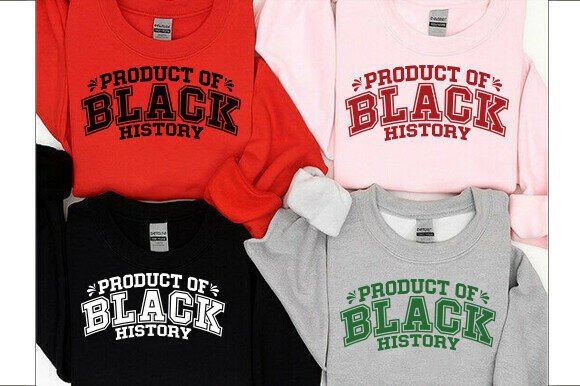
When you first open Teacher Black History Month T-Shirt, you immediately sense its intent. It’s not a flashy, overly detailed piece; it’s a statement with a clear, respectful mood. The layout feels balanced and thoughtful, which is exactly what you want for a design carrying such weight. This isn’t just a graphic—it’s a conversation starter, a wearable tribute. For embroidery, that translates into a project where the stitching needs to carry that same sense of dignity and clarity. It naturally belongs to projects meant for appreciation, education, and celebration, not just casual wear.
Where This Design Finds Its True Home
In practical terms, Teacher Black History Month T-Shirt shines on items meant for display and gift. Imagine embroidering it on a high-quality cotton tote bag for a teacher—the finished piece becomes a cherished, usable keepsake. On a soft sweatshirt, it transforms into a cozy statement of pride and support. I’ve found it particularly resonant on items like premium pillow covers for a classroom reading nook or beautifully finished aprons for a school event. The design’s theme elevates simple apparel into meaningful products.
For craft businesses and Etsy sellers, this embroidery file offers a clear seasonal anchor. It’s perfect for creating limited-run merchandise for February, from custom embroidered patches that can be applied to jackets to delicate, smaller-scale versions on baby onesies as a gift celebrating heritage. It fits boutique branding when a small shop wants to offer culturally thoughtful products. The key is matching the design to a substrate that feels worthy of its message—avoiding cheap, thin fabrics that might undermine its gravity.
Navigating the Practical Stitching Landscape
Now, let’s talk about the embroidery work itself. Because the design’s meaning is paramount, stitching clarity is non-negotiable. On dark fabrics, thread color contrast is critical; you need to choose hues that pop with respect, not just brightness. Teacher Black History Month T-Shirt likely has areas of text or symbolic elements. These small details demand attention. On a curved surface like a cap, tiny lettering can become lost if the stitch density isn’t adjusted. Always test it on a scrap of your intended fabric first—a textured linen might hold the stitches differently than a smooth polo shirt.
Stitch density is your friend and your potential foe here. Too dense, and the design becomes stiff on a soft t-shirt; too light, and it looks unfinished on a sturdy tote. This balance directly affects customer trust—a poorly executed, puckered embroidery on a "meaningful" product feels disrespectful. For items needing frequent washing, like kitchen towels or baby clothes, a robust stabilizer choice and a thoughtful reduction in dense fill stitch areas will ensure longevity and maintain that professional, handmade presentation.
The Unspoken Value in Every Stitch
What I observe when a design like this is embroidered well is a multiplier effect on product value. It’s not just another t-shirt design; it’s a crafted emblem. This increases giftability immensely. A parent giving this to a teacher, or someone honoring a family member, connects with the care evident in the handmade embroidery. For creative entrepreneurs, this builds brand consistency around quality and thoughtfulness, which engages buyers looking for more than a mass-produced item.
Visual appeal here is about crispness and honor. The embroidery should look intentional and clean. This design, when stitched with precision on a suitable product like a premium hoodie or a commemorative patch, carries a recognition factor that generic graphics lack. It speaks to a shared story, which enhances buyer engagement in your small shop or at a craft fair. People stop and ask about it, which is the ultimate goal for any maker.
A Designer’s Real-World Checklist Before Hooping
Before you commit this design to a final project, run through these practical notes. They’ve saved me from many a well-intentioned but poorly executed piece.
- Test the embroidery file on scrap fabric identical to your final product, especially checking any small details.
- Review thread color contrast against both light and dark fabric backgrounds. A quick black and white mockup can reveal clarity issues.
- Confirm your hoop size can accommodate the design without cramming elements—this design deserves breathing room.
- Use proper stabilizer for your specific fabric. A stretchy t-shirt and a rigid canvas tote bag require completely different approaches.
- Inspect the design’s layout for corners or dense areas that might need slight adjustment for your specific machine embroidery process.
- Always, always confirm the licensing terms for Teacher Black History Month T-Shirt before selling finished items or using it in commercial embroidery projects. This is a cornerstone of professional practice.
Remember, this design’s power lies in its application. Stitching Teacher Black History Month T-Shirt onto a well-chosen item is a act of craft and respect. It moves from a digital graphic to a tangible piece of culture, strength, and heritage. That journey, from file to finished product, is where your skill as an embroidery designer truly makes the meaning shine.