A Design Review: 'Be Patient Be Kind' for Real Projects
When a new design lands on my desktop, my first question isn't just about its aesthetics. It's about its real-world performance. How will it stitch out? Where will it look best? Who will appreciate it? Today, I'm putting the 'Be Patient Be Kind Autism SVG Shirt' design through that exact lens, from the perspective of an embroidery designer who uses files for client work, boutique merchandise, and personalized gifts.
The Immediate Mood: Gentle Strength
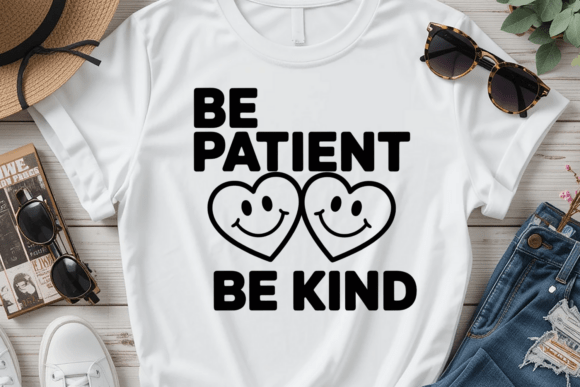
The first impression here is crucial. This design doesn't shout; it speaks with a calm, confident authority. The bold typography establishes the clear message, while the paired heart elements soften the statement, creating a balance of advocacy and compassion. This visual personality is its greatest asset. It creates a mood of gentle strength, which is perfect for projects aiming to promote awareness without aggression. The layout is clean and centered, making it a straightforward candidate for embroidery, but the detail level in the typography and heart shapes will demand a closer look at stitch execution.
The Natural Home for This Embroidery Design
Given its theme and composition, this design naturally belongs to projects with a personal or heartfelt purpose. Imagine a client request for a custom embroidered tote bag for a teacher at a special needs classroom. Or a boutique looking for a simple, meaningful design for a line of embroidered pillow covers for a nursery or a calming space. It shines as a personalized gift—think a baby blanket for a sibling, an apron for a dedicated caregiver, or a simple sweatshirt for everyday wear. Its power lies in its universal message, making it suitable for a wide range of recipients, which is gold for a craft business.
Performance on Actual Products
Let's walk through some real-life embroidery situations. On a cotton t-shirt or a fleece hoodie, the bold letters will hold up well with a solid satin stitch or a clean fill stitch, provided the stitch density is appropriate for the fabric weight. On a canvas tote bag, it becomes a durable statement piece. As an embroidered patch, it could be incredibly versatile, applied to backpacks or caps. For baby clothes, like a little knit sweater, you'd need to consider scaling and a lighter stitch density to maintain fabric flexibility. In all cases, the hearts are the key decorative accents; their clarity will directly impact the overall visual appeal and the perceived quality of the finished product.
Where Caution is Needed: The Practical Constraints
No design is perfect for every scenario. Here’s where I’d be careful with 'Be Patient Be Kind'. The combination of bold lettering and smaller heart details means it might struggle on very small hoop sizes. Attempting it on a child's cap or a curved surface like a baseball hat could distort the clean typography if not scaled and positioned perfectly. On textured fabrics like some linens or stretchy fabrics without proper stabilizer, the small details in the hearts could get lost or puckered. On dark fabric backgrounds, thread color contrast becomes paramount—a white or bright satin stitch for the text would be essential to maintain the stitching clarity and that gentle mood. And for products destined for frequent washing, like kitchen towels, a robust stitch structure is a must.
Impact on Your Business and Your Customer
Using this design effectively affects more than just the stitch. It influences customer trust and buyer engagement. A well-executed embroidery of this message on a high-quality sweatshirt speaks to professionalism and care, enhancing your brand consistency if you focus on thoughtful products. Its inherent giftability and recognition as an awareness message can open doors to new customer segments for an Etsy seller or at a craft fair. The handmade presentation of an embroidered item, versus a printed one, adds a layer of tangible value and longevity that customers appreciate.
Embroidery Designer Notes: Before You Hoop It
Before I'd ever run this for a client or my shop, here’s my practical checklist. Always test the design on scrap fabric first, using the same material you intend for the final product. Check thread color contrast rigorously for both light and dark backgrounds; perhaps even test it in a black and white mockup to see the form stripped of color. Review stitch density in the file preview—are the hearts too dense for a lightweight tee? Confirm your hoop size can accommodate the design at your desired scale without compromising the smaller elements. Inspect the small details, like the curves in the hearts, to ensure they'll translate cleanly into stitches.
Use a proper stabilizer for your specific fabric type; this is non-negotiable for maintaining that clean typography. Crucially, check whether the design’s licensing permits use for both personal and commercial projects. If you're an Etsy seller or small shop owner selling finished items, confirming this upfront protects your business. For digital product sellers offering the file itself, clarity on redistribution is key. Since the provided description mentions it's a graphic for t-shirt designs, it's wise to verify the specific embroidery file formats, machine compatibility, and any included license details before proceeding with any commercial embroidery project.
The Final Stitch: A Design with Heart and Purpose
The 'Be Patient Be Kind Autism SVG Shirt' design, from an embroidery standpoint, is less about complexity and more about emotional resonance translated into thread. Its success in a real project hinges on recognizing its strengths—its clear, compassionate message and balanced layout—and respecting its practical needs regarding scale, fabric, and execution. When stitched with care onto the right product, it becomes more than a graphic; it becomes a durable, tactile expression of kindness, perfectly suited for the world of handmade, meaningful goods. That’s a powerful asset for any designer, crafter, or creative entrepreneur looking to make work that matters.